NEWS
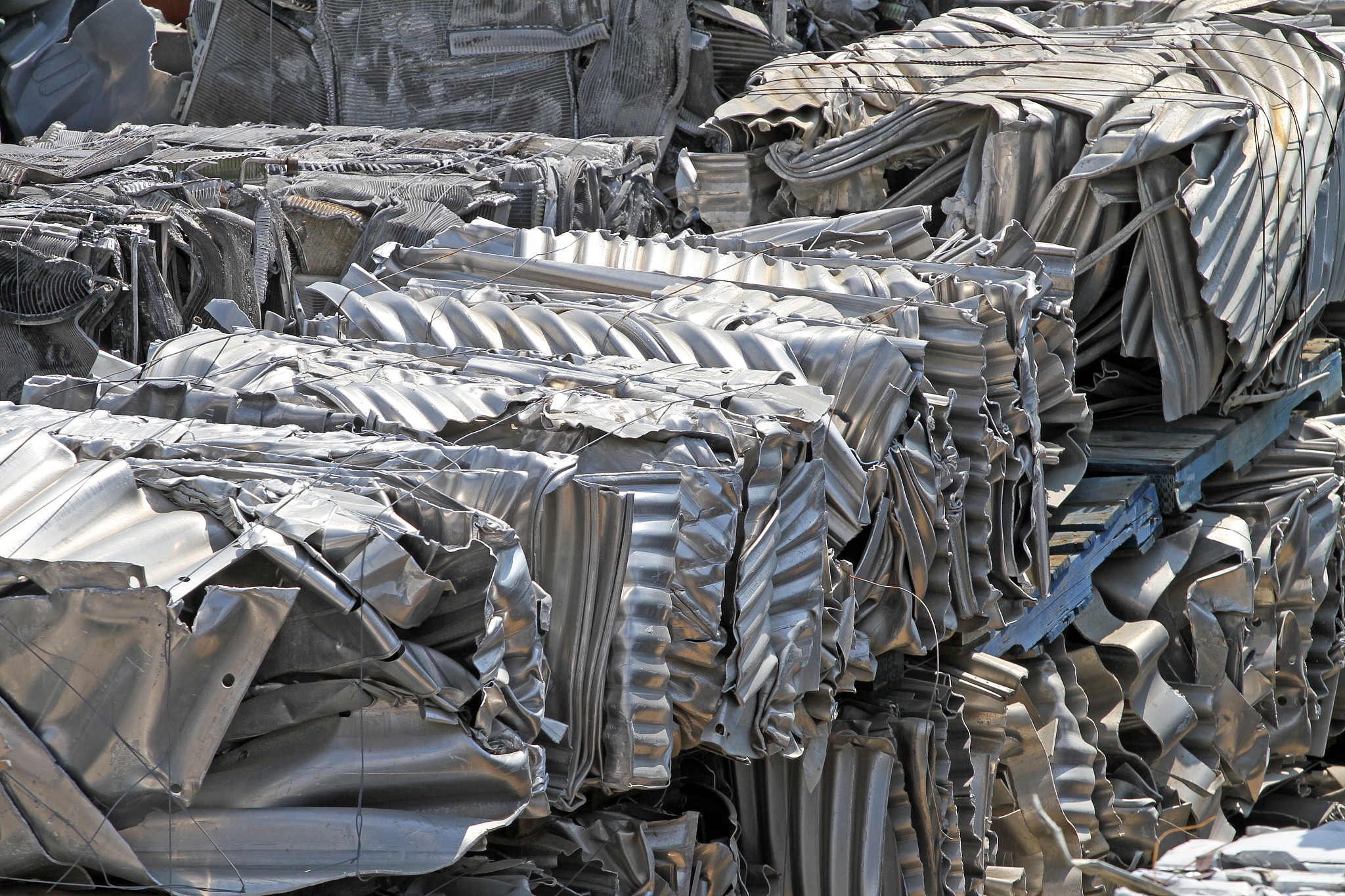
Europe produces around 6.2 million tonnes of secondary aluminium every year
Recycling Europe has welcomed the European Commission’s decision to withdraw its proposal to introduce trade restrictions on exports of secondary aluminium (scrap). This is stated in a press release from Recycling Europe.
The association notes that this decision opens up opportunities for constructive dialogue on strengthening the competitiveness of the entire European aluminium value chain.
The organisation emphasises that the regulator has taken account of new market realities. From 2027, the Waste Shipment Regulation (WSR) will significantly alter the conditions for exports due to stricter audit requirements and restrictions on shipments to non-OECD countries. In addition, new Combined Nomenclature (CN) codes for aluminium scrap will provide more accurate data on trade flows. It would be premature to introduce any additional barriers to assessing the impact of these changes.
The European smelting industry is a key component of the EU’s industrial base. It produces around 6.2 million tonnes of secondary aluminium each year, of which approximately 80% is consumed within Europe. Exports remain an essential sales channel for volumes for which there is insufficient domestic demand. Artificially restricting exports without evidence of a structural deficit risks devaluing secondary raw materials, reducing investment and weakening the region’s smelting capacity.
Recycling Europe calls for further dialogue between all market participants and insists that any future regulatory measures should be based on actual market data once the updated WSR Regulation comes into force. A reliable and sustainable European aluminium market requires equal support for both recycling and production.
The European Union retained its status as the world’s leading exporter of scrap metal in 2025, despite a 2% year-on-year decline in total shipments to 16.7 million tonnes. The main destinations for European exports were Turkey, with a slight decline of 0.9% – to 10.8 million tonnes, and Egypt, with an increase of 13.4% – to 1.9 million tonnes. The Netherlands once again confirmed its status as the largest individual exporter within the EU, increasing shipments by 4.4% year-on-year – to 3.9 million tonnes. Scrap import volumes in EU countries over the past year rose by 28.8% year-on-year – to 5 million tonnes.
Related Posts
- ▶ Trasteel Takes Full Ownership of Italian Ferroalloy Firm BBC Alloys
- ▶ Trump Announces $15 Billion Iowa Steelworks Project
- ▶ EU Backs Extra Free Carbon Allowances for Heavy Industry
- ▶ The European Commission Has Lifted Restrictions On The Export Of Scrap Aluminum
- ▶ Nucor Raises Hot-Rolled Coil Price to $1,185/ton
- ▶ Demand for steel in China’s manufacturing sector is set to rise by 3.3% y/y in 2026
Online Message